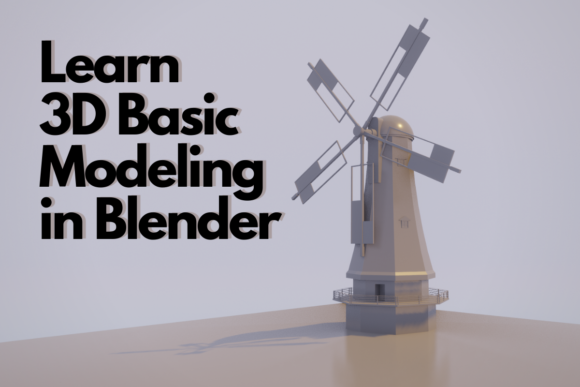
Learn 3D Basic Modeling in Blender
Learning 3D basic modeling in Blender opens up a world of creative possibilities. Whether you're an artist, designer, or just curious about digital creation, this powerful software offers tools to bring your ideas to life. Blender is free, open-source, and packed with features that make it accessible for beginners and professionals alike.
What Is Learn 3D Basic Modeling in Blender?
Learn 3D Basic Modeling in Blender is a structured course designed to help newcomers grasp the fundamentals of 3D modeling. It focuses on essential tools and techniques used in creating simple 3D assets. The course is ideal for those who want to build a solid foundation before diving into more complex projects.
Blender's interface can seem overwhelming at first, but with guided instruction, it becomes easier to navigate. The course simplifies the process by breaking down each step, making it approachable even for those with no prior experience.
Why Learn 3D Basic Modeling in Blender?
There are many reasons to learn 3D basic modeling in Blender. For one, it's a valuable skill in today's digital landscape. From game design to product visualization, 3D models are in high demand across various industries. Understanding the basics can open doors to new opportunities, whether for personal projects or professional growth.
Additionally, learning 3D modeling in Blender helps develop spatial awareness and problem-solving skills. It encourages creativity and provides a sense of accomplishment as you see your designs come to life. This makes it a rewarding hobby and a practical tool for many different applications.
How Does It Work?
The course covers the core aspects of 3D modeling using Blender's poly modeling tools. Students will learn how to create and manipulate basic shapes, add details, and refine their models. The instructor, Jose Vega, walks through each step, explaining the purpose and function of every tool and modifier used.
One of the key elements of the course is the hands-on approach. Rather than just watching, students actively engage with the software, practicing what they learn. This interactive method ensures that learners not only understand the concepts but also gain confidence in applying them.
Real-World Applications
Learn 3D Basic Modeling in Blender has practical uses in both personal and professional settings. For example, artists can use it to create digital sculptures, while entrepreneurs might design products for prototyping or marketing. Educators can incorporate 3D models into lessons, making abstract concepts more tangible for students.
In the commercial world, 3D models are essential for e-commerce, where realistic product visuals enhance customer engagement. Freelancers can offer 3D modeling services, adding value to their skill set. Even hobbyists can enjoy creating custom assets for games, animations, or virtual environments.
Getting Started
If you're considering learning 3D basic modeling in Blender, there are a few things to keep in mind. First, ensure your computer meets the system requirements. While Blender runs on most modern machines, having a good graphics card and enough RAM can improve performance.
Second, be patient. Like any new skill, learning 3D modeling takes time and practice. Don't be discouraged if things don't go perfectly at first. The course is designed to guide you through the process, helping you build skills gradually.
What You'll Learn
The course introduces essential tools such as extrusion, subdivision, and edge loops. These tools allow you to shape and refine your models with precision. You'll also explore modifiers, which are powerful features that automate certain tasks and add complexity to your work.
Throughout the class, you'll create a simple asset model from start to finish. This hands-on project gives you a clear understanding of the workflow and helps reinforce the concepts taught. By the end, you'll have a functional model that demonstrates your growing skills.
Benefits of a Beginner-Friendly Approach
A beginner-friendly class like Learn 3D Basic Modeling in Blender ensures that no one feels lost or overwhelmed. The instructor, Jose Vega, breaks down complex ideas into manageable steps, making the learning process smooth and enjoyable.
This approach also fosters a supportive environment where questions are encouraged. Learners can ask for clarification, share progress, and receive feedback, all of which contribute to a more effective learning experience.
Next Steps After Learning the Basics
Once you've mastered the basics, the possibilities are endless. You can explore advanced modeling techniques, animation, texturing, and rendering. Many users go on to specialize in areas like character design, architectural visualization, or visual effects.
Continuing education is key to staying current in the ever-evolving field of 3D modeling. Online communities, tutorials, and workshops provide ongoing support and inspiration. The skills you gain from Learn 3D Basic Modeling in Blender serve as a strong foundation for future learning.
Final Thoughts
Learn 3D Basic Modeling in Blender is more than just a course—it's a gateway to creative expression and professional development. With the right guidance, anyone can learn to create 3D models and unlock new opportunities.
Whether you're looking to enhance your portfolio, start a new career, or simply explore a new hobby, this course provides the tools and knowledge needed to succeed. Join the class and take your first step into the exciting world of 3D modeling with Blender.